












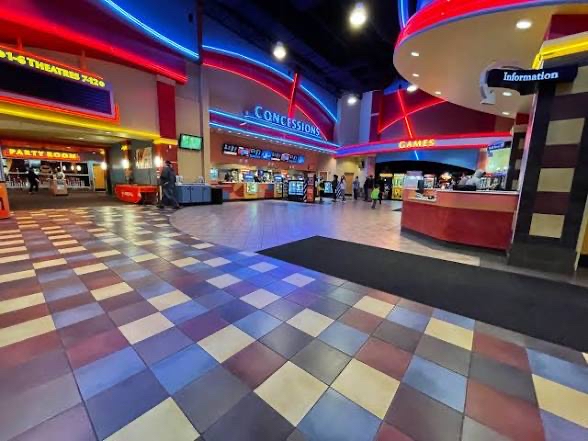





On Saturday, March 7th, the area around M&T Bank stadium looked nothing like a normal MLS game. Before kickoff, the streets were packed with fans wearing every color you could possibly imagine. Inter Miami pink stood out the most, mixed with Argentina’s sky blue and white, and even some Baltimore Ravens purple. People wore jerseys from teams all over the world, and a few even showed up in Baltimore Blast shirts, which is usually the closet thing the city gets to top-level soccer.
One color that barely showed up was D.C. United’s black and red. Even though Baltimore is neighboring cities with Washington, the cities have never been United territory. That is part of why the club moved this match to Baltimore. With Lionel Messi in town, they knew they could fill a much bigger stadium, but they also wanted to introduce themselves to Baltimore fans. United is already working with the city on a new stadium and an MLS Next Pro team, so this game was a chance to make a strong impression.
This is not the first time a team has moved a Miami match to a bigger venue. Last year, Columbus shifted their game to Cleveland, a Sporting Kansas City move theirs to Arrowhead Stadium. Miami won both of those games, and they won again in Baltimore.
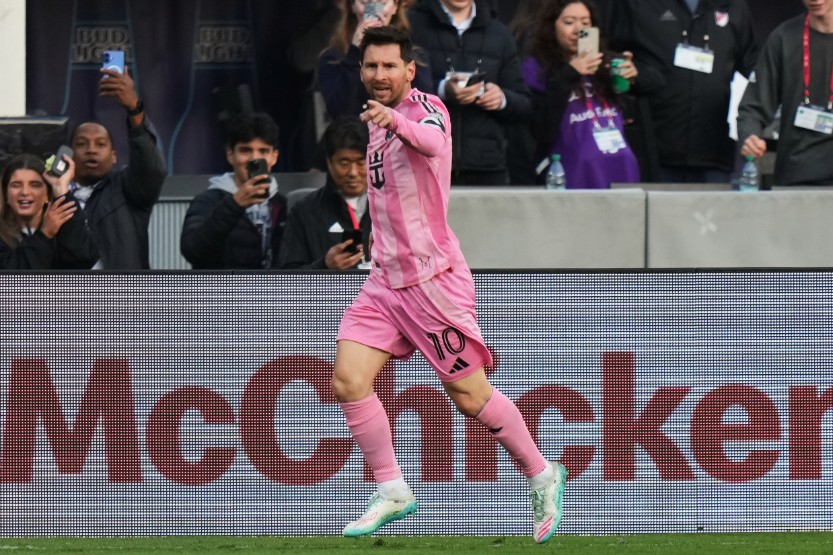
Inter Miami beat D.C. United 2–1, with goals from Messi and Rodrigo De Paul. Some longtime United fans were frustrated that the match was moved out of town, but the club did not have many options. The only other stadium big enough nearby is the Commanders’ Northwest Stadium, which most locals do not like.
For United, the loss did not help them win over new fans. Miami, on the other hand, probably gained even more support.
United’s struggles showed early; the team has been rebuilding for almost ten years, going through coaches, players, and front-office staff nonstop. Their current coach, Rene Weiler, has managed teams all over the world, and their new sporting director, Dr. Erkut Sogut, is still adjusting to running a club. The early results have not been too great. Miami cut through United’s defense repeatedly in the first half, and the 2–0 halftime score made things look better than they were.
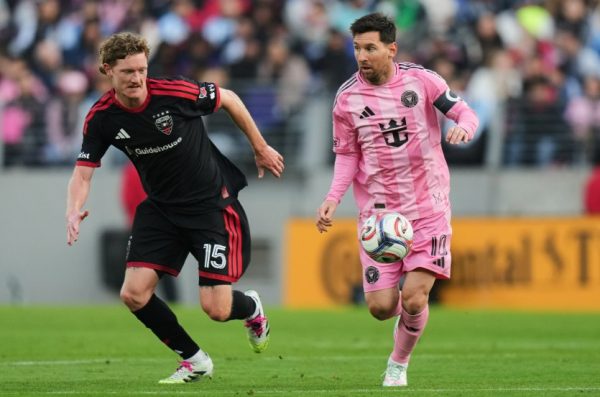
United played much better in the second half. Louis Munteanu almost scored on a bicycle kick, and Tai Baribo finally put one in the goal late in the game. But it was not enough to change the outcome.
For older United fans, Miami’s quick passing and creativity might have brought back memories of the club’s glory days in the late 1990s, when stars like Marco Etcheverry and Jaime Moreno made D.C. one of the most exciting teams in MLS. Miami was not perfect, but they were fun to watch, and the crowd of 72,026 definitely got what they came for.
Even beyond Messi, De Paul, and Luis Suarez, Miami has a group of young South American players who would instantly stand out on United’s roster. D.C. cannot afford global icons, but they could learn from Miami’s scouting. The combined transfer fees for two of Miami’s young players are only slightly more than seven million dollars United spent on Munteanu, who still has not scored this season.
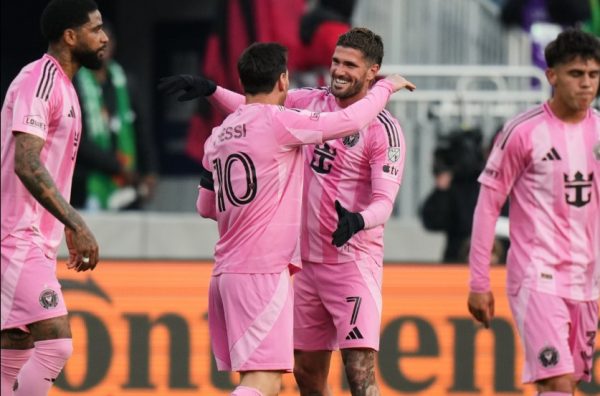
United did a great job selling out the stadium and promoting the event, but the performance on the field did not match the excitement. For most people in the stands, the night of March 7 belonged to Messi and Inter Miami.