
















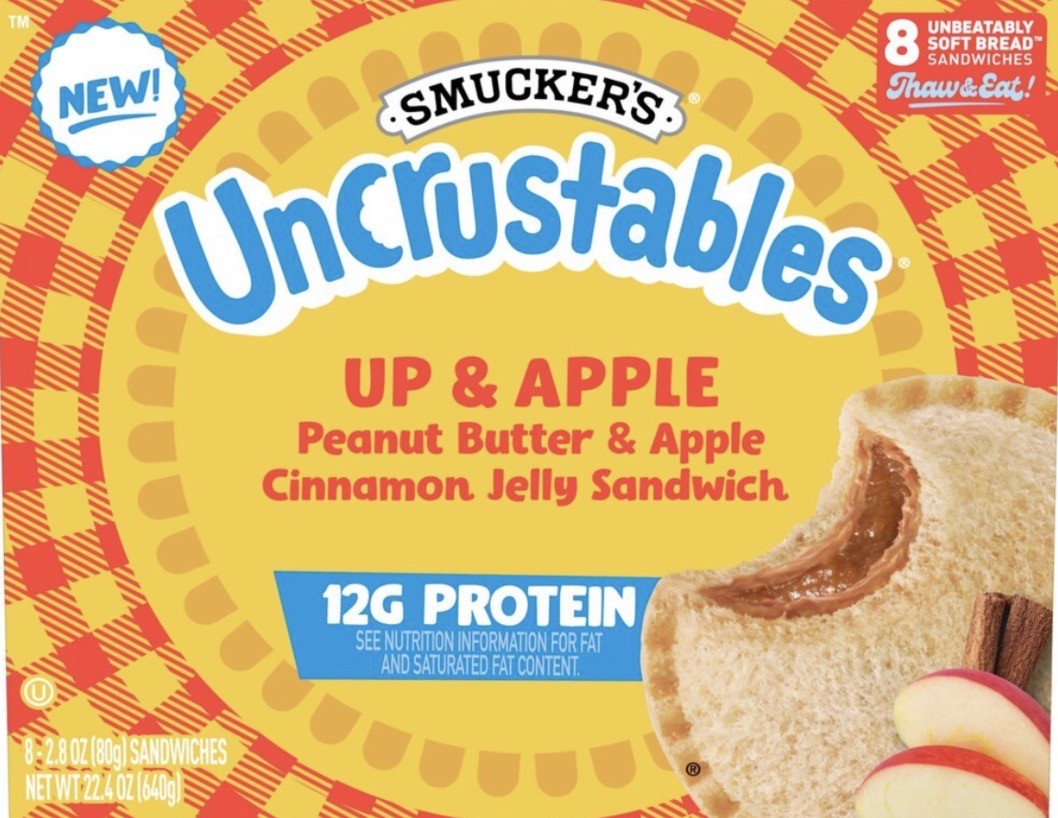










Walk through any grocery store today and you’ll notice a clear trend: protein is everywhere. From protein-packed Pop-Tarts to high-protein Uncrustables and even protein-infused water, it seems like every brand is racing to add more protein to their products. This is an epidemic. But why?
Over the past few years, protein has gained a reputation as the “super nutrient.” It’s associated with building muscle, helping you feel full longer, and supporting overall health. Because of this, companies have started marketing protein as a must-have ingredient, even in foods that have less than 1 natural ingredient.
This shift isn’t random, but it’s driven by consumer demand. Social media, fitness influencers, and diet trends have all emphasized the importance of high-protein diets. As a result, people are actively looking for ways to increase their protein intake. Brands have responded by redesigning their products or creating entirely new ones to meet that demand.
The humor of it all is the nutritional inaccuracy. Brands are adding protein into their formulas, however, the ratios aren’t ideal. As an athlete and a health junkie, it honestly makes me laugh. It is recommended that every 10 calories there is 1 gram of protein. An example of a great protein‑filled snack would be Chomps, a meat stick with 100 calories and 10 grams of protein, and no added sugar or artificial flavors. The issue of the epidemic is brands like Pop-Tarts acting like they are the new Quest with their 10 grams of protein (looking great) to 380 calories. THREE HUNDRED EIGHTY. That’s criminal. And don’t be fooled, it’s not just about calories, at all. It’s about the same list of unknown ingredients that goes down the box that everyone seems to ignore. No wonder things like this are banned in Europe.
So why does the trend continue to grow? The answer is simple: marketing works. When a product is labeled “high protein,” it often feels healthier, even if the rest of the nutrition label tells a different story. Companies know this, and they’re using it to their advantage.
The protein epidemic isn’t necessarily harmful, but it does highlight how easily trends can influence what we eat. As consumers, it’s important to look beyond the label and think about what we’re putting into our bodies. Please.