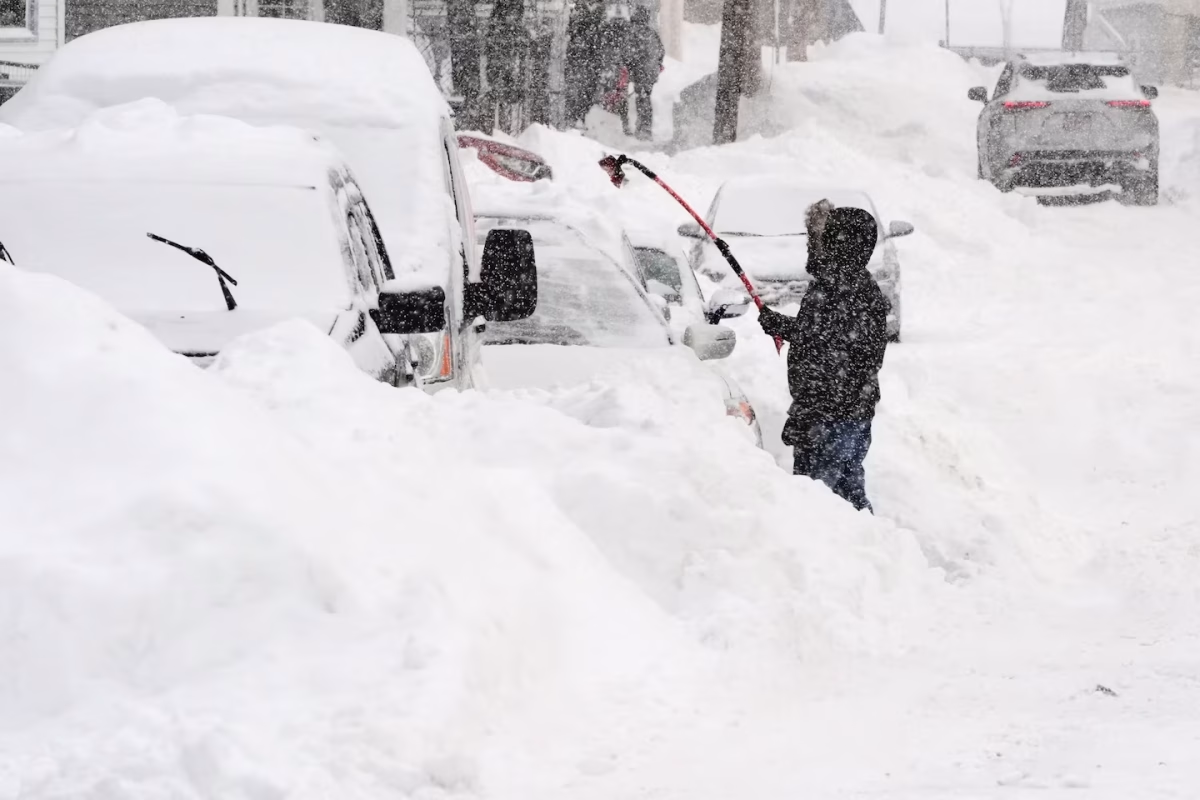






























When a snowstorm is forecasted, many people will go into fight-or-flight mode. After the recent snowstorm that occurred a week ago, it seems that not many people were as prepared as they should have been. Below are ways that can help you prepare for a snowstorm before, during, and after it has occurred.
Check the Forecast & Alerts
- Check temperature, because depending on how low the temperature is, it can cause a greater risk of pipes freezing. To ensure this doesn’t happen make sure your faucets drip a small amount of water, which helps with insulation
- Warnings and advisories may be updated in the middle of a storm, checking for these can allow you to take extra precautions to stay safe and warm
Stock Essentials
- Stock up on household essentials like non-perishable food, batteries, medications, etc.
- Have drinking water and water jugs on hand in the case of a power outage. This is important and allows you to have fresh drinking water, as well as have water to use for the bathroom usage and to wash your hands
Charge Electronics
- Keep Laptops, phones, and tablets charged in the case of a power outage
- Have power banks/ battery packs on hand in case you lose battery during an outage
- Keep flashlights and extra batteries on hand (skip candles, if possible, as they are a fire hazard)
Avoid Travel
- Unless it is an absolute emergency, DO NOT TRAVEL
- Roads that are snow-covered and icy are the most dangerous, especially when temperatures are below freezing.
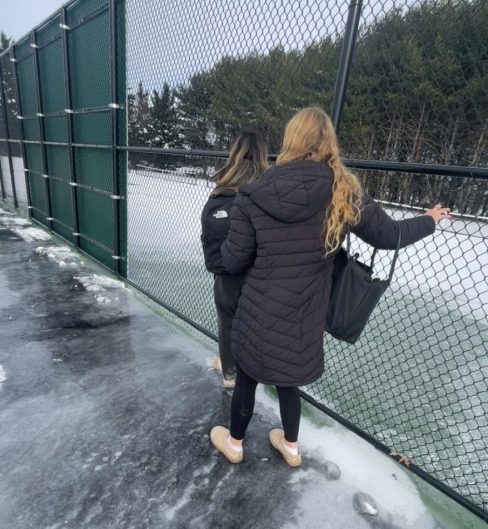
- Keep an eye out for wet patches, as there is a chance it could be Black Ice, which is very dangerous when in a vehicle or even just walking
Clear Snow Carefully
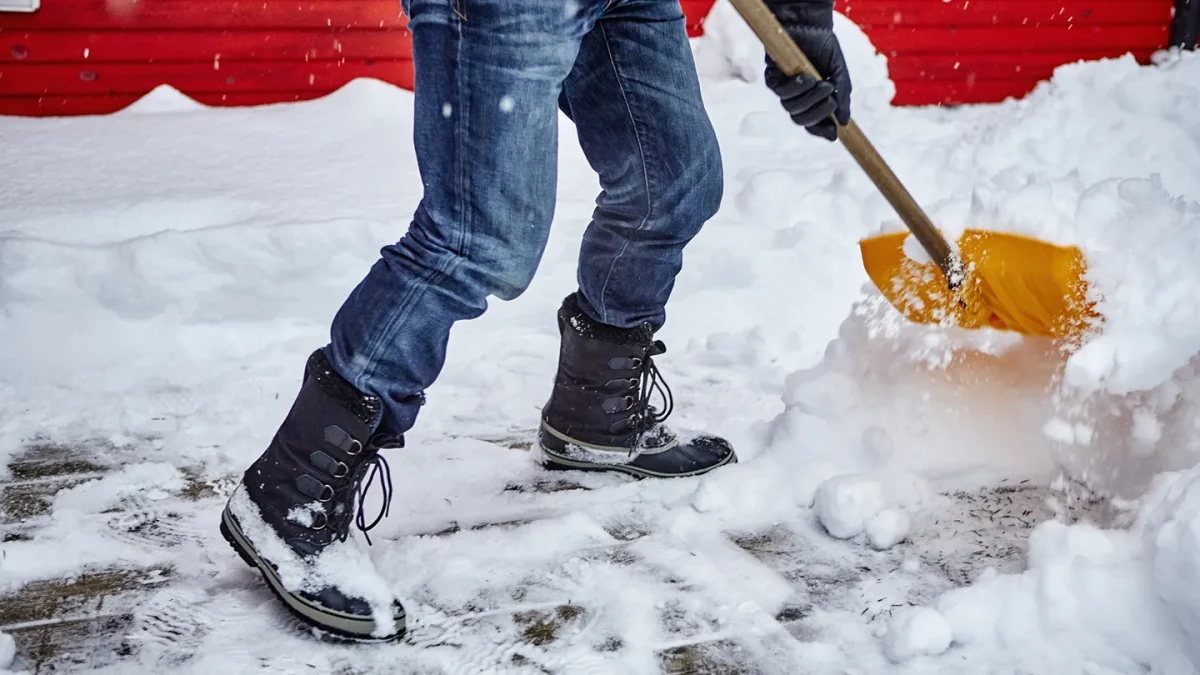
- Shovel in short bursts to make sure that you are not exerting to much energy, you need that energy to keep yourself warm
- Wear the proper snow gear; coats, hats, gloves, snow boots, to lower the risk of frostbite and sickness
- To prep sidewalks and driveways, lay ice melt or road salt on the ground, limiting the amount of ice and snow that sticks to the ground
Carbon Monoxide and Fire Safety
- Make sure CO detectors are working properly
- When using space heaters, keep them at least three feet from anything flammable
- Never use ovens or grills indoors to keep warm
It seems that the recent snowstorm isn’t the last one we will see this winter season. To help prepare for future snowstorms, refer to this list to ensure that you are prepared and have nothing to worry about during the next storm. Stay safe and warm this winter season!